
A kitchen remodel in 2026 runs anywhere from $15,000 for a minor refresh to $130,000 or more for a full gut renovation with premium materials and custom cabinetry. Most homeowners land somewhere between $25,000 and $75,000 for a mid range kitchen remodel that replaces cabinets, countertops, appliances, and flooring without moving plumbing lines or making major layout changes.
The number that matters is yours, not the national average. What follows breaks down exactly where the money goes and what drives costs up or keeps them manageable.
Start Here: What Kind of Remodel Are You Actually Planning?
| Remodel Type | Typical Cost Range | What’s Included |
| Minor remodel | $15,000 – $25,000 | Paint, hardware, appliances, backsplash |
| Mid range remodel | $25,000 – $60,000 | New cabinets, countertops, flooring, fixtures |
| Major remodel | $60,000 – $100,000 | Layout changes, semi custom cabinets, premium finishes |
| Full gut renovation | $100,000 – $130,000+ | Custom cabinets, new plumbing lines, high-end everything |
The jump between categories is not always about taste. Moving plumbing lines, rerouting electrical lines, or changing the existing layout adds significant labor costs regardless of the materials selected. If you can work within the existing footprint, you hold the overall cost down considerably.
Where Your Kitchen Remodel Budget Actually Goes
Cabinets consume the largest share of most kitchen remodel budgets, typically 30 to 40 percent of the total. The range across options is wide:
- Stock cabinets: $100 to $300 per linear foot installed, the most cost effective alternative for budget builds
- Semi custom cabinets: $300 to $600 per linear foot, more sizing flexibility and finish options
- Custom cabinets: $600 to $1,200 or more per linear foot, built specifically for the space
The quality gap between stock and semi custom is meaningful. The gap between semi custom and full custom cabinets is often more about preference than function, and for most homeowners working with a realistic budget, semi custom cabinets represent the better long term value.
Countertop materials come next and carry their own wide range. Laminate countertops start around $20 to $50 per square foot installed and have improved significantly in appearance over the past decade. Granite countertops run $60 to $150 per square foot. Quartz sits in a similar range and requires less maintenance than natural stone. Premium materials like marble push past $200 per square foot once fabrication and installation are included.
Appliance Costs: The Part People Underestimate
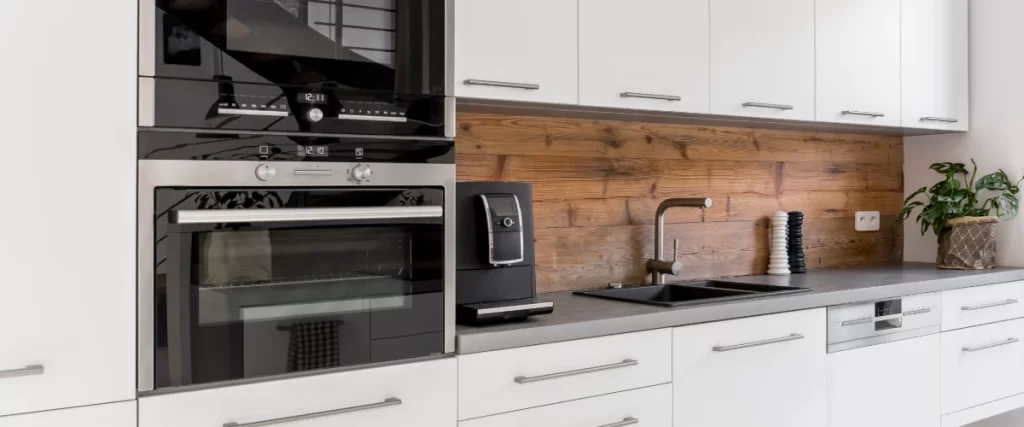
Appliance costs catch a lot of homeowners off guard because the purchase price is only part of the picture. Delivery fees, disposal costs for old appliances, and installation all add to the final cost.
A standard package of updated appliances, refrigerator, range, dishwasher, and over-range microwave, runs $3,000 to $8,000 for mid-tier brands. Premium appliances push that number to $15,000 and beyond. The U.S. Department of Energy’s appliance efficiency standards are worth reviewing during selection, since energy-efficient models offset ongoing utility costs and sometimes qualify for rebates that reduce the effective purchase price.
Labor Costs and What Moves Them
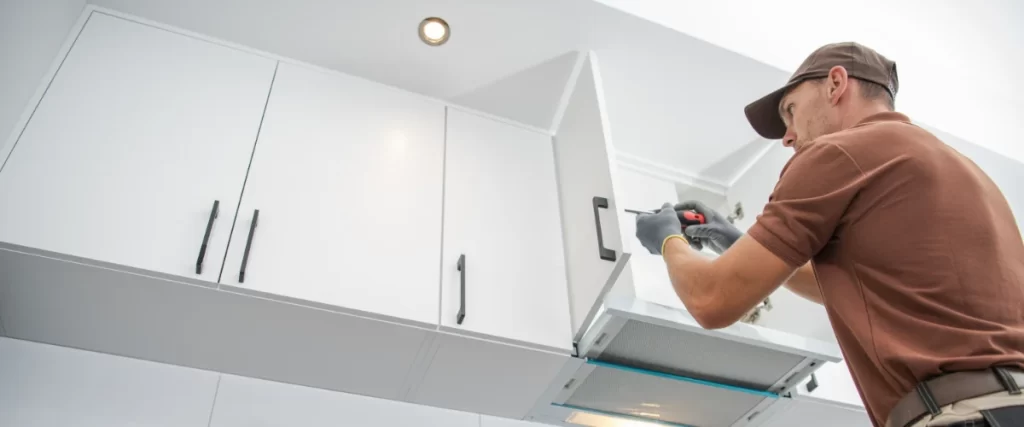
Labor typically accounts for 20 to 35 percent of a kitchen renovation budget. That percentage shifts depending on how complex the project is.
A straightforward cabinet and countertop swap in an existing layout requires a general contractor, a plumber for fixture connections, and an electrician for outlet work. Costs stay predictable. The moment layout changes enter the picture, moving plumbing lines or electrical lines triggers permit requirements, more trade hours, and often unexpected issues inside walls and floors that add to the final cost.
Keeping the existing layout is the single most reliable way to save money on a kitchen remodel without compromising the result. It sounds like a limitation, but most kitchens work just as well or better with a thoughtful redesign within the existing footprint.
The Hidden Costs Most Homeowners Discover Too Late
A few line items appear in almost every kitchen renovation and almost never make it into the initial budget:
- Unexpected expenses behind walls: Old plumbing updates, outdated wiring, water damage, and rot all sit behind cabinets and drywall until demolition begins
- New flooring: Kitchen flooring often needs replacement once old cabinets come out and the subfloor is exposed
- Tile backsplash: Frequently treated as an afterthought, a full tile backsplash installation adds $1,000 to $3,500 depending on material and square footage
- Disposal costs: Hauling out old cabinets, countertops, and appliances costs money that rarely appears in a first quote
Setting aside 10 to 15 percent of the total budget as a contingency fund is the practical move, not a pessimistic one. Almost every project that skips a contingency ends up needing one. According to U.S. Census Bureau data on residential improvements, kitchen renovations are among the most frequently undertaken home improvement projects, and cost overruns are consistently cited as the most common homeowner frustration.
Does a Kitchen Remodel Add Resale Value?
Yes, reliably. A mid range kitchen remodel returns a meaningful portion of its cost at resale, and an updated kitchen consistently ranks as one of the features buyers respond to most strongly. The return is better when the remodel fits the overall value of the home rather than exceeding it, so matching the kitchen renovation to the neighborhood price range matters as much as the quality of the work itself.
If you are planning a broader home renovation and want to see how kitchen and bathroom budgets compare, our breakdown of bathroom remodel costs for 2026 gives you a useful side-by-side reference. And if you are weighing financing options for a larger project, our guide on using home equity for home renovations covers what most homeowners need to know before applying.
FAQ
What is the most cost effective change in a kitchen remodel? Repainting or refacing old cabinets rather than replacing them entirely can save $5,000 to $15,000 on a mid range project while still delivering a noticeably updated look.
How long does a kitchen renovation typically take? A minor remodel takes two to four weeks. A full gut renovation with custom cabinets and layout changes can run two to four months once permits are issued and materials arrive.
Do kitchen remodels require permits? Electrical work, plumbing updates, and structural changes require permits in most municipalities. A right contractor will pull the appropriate permits before any work begins.
Are custom cabinets worth the cost? For most homeowners, semi custom cabinets offer better value. Custom cabinetry makes sense in kitchens with unusual dimensions or very specific storage requirements that off-the-shelf options cannot meet.
Or, You Could Just Let Someone Handle It
Reading through all of this and then sourcing contractors, comparing quotes, tracking permits, and managing material selection is a real time commitment. Most homeowners find the planning phase alone takes longer than they expected, and one miscommunication with a trade can set a project back weeks.
If you are ready to move forward, take a look at what we do on our kitchen remodeling services page and reach out when you are ready to talk. Call us at (508) 434-0307 or message us here and we will put together a realistic plan for your kitchen.