A pebble shower floor is one of those decisions that looks straightforward in a showroom and gets more complicated once you are living with it.
The texture, the natural stone variation, the way water moves over river rocks, it creates a bathroom experience that polished porcelain simply cannot replicate. But the maintenance curve is steeper than most tile options, and going in without a clear picture of that tends to lead to regret. So before you commit to anything, here is what the full picture actually looks like.
The Feel of It First
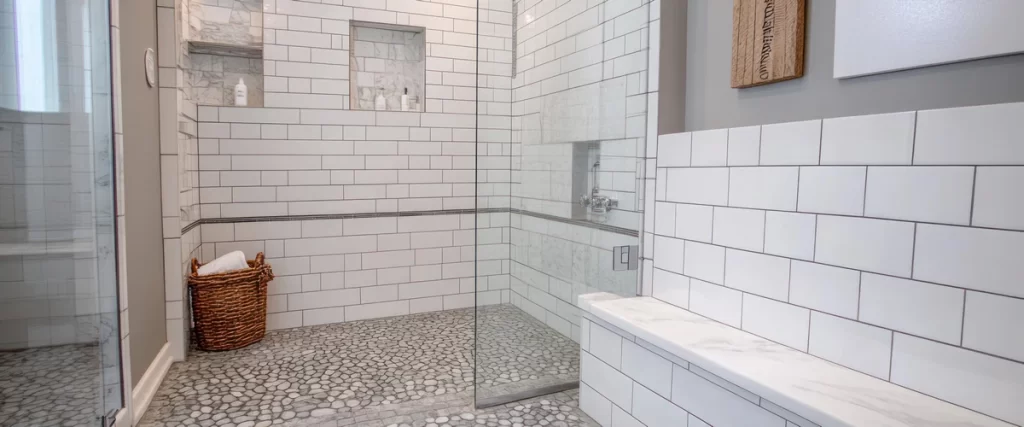
There is a reason pebble tile shower floors keep showing up in bathroom renovations. Standing on natural stone underfoot, water running over river rocks, that texture that makes a shower feel less like a utility room and more like somewhere you actually want to be. The natural appeal is real. It is not just an aesthetic trend, it genuinely changes how a bathroom space feels to use every single day.
Flat pebbles give you a softer, more spa-like surface. Rounder river rocks feel more like a foot massage, which some people love and some people tolerate for about four days before regretting it. Knowing which camp you fall into matters before you commit.
So, Slippery or Not?
One of the most common questions, and the answer is reassuring. Pebble tile shower floors are naturally slip resistant. The uneven surface gives feet real grip, far more than polished tiles or smooth porcelain tile. The U.S. Consumer Product Safety Commission consistently identifies bathroom falls as one of the leading causes of home injury, and textured shower floors like pebble tile directly reduce that risk compared to slick alternatives.
This is one area where pebble floors genuinely outperform most other tile options.
The Part Nobody Loves Talking About
| What People Expect | What Actually Happens |
| Easy, natural beauty | Beautiful, but needs real upkeep |
| Feels great barefoot | Depends entirely on pebble shape |
| Similar cleaning to other tile | Significantly more grout surface to clean |
| Seal it once and forget it | Needs resealing every 1 to 2 years |
| Budget friendly overall | Materials yes, labor often not |
The grout situation deserves its own moment. Because pebbles are small and sit on mesh backing with gaps between every stone, the grout lines in a pebble shower cover far more surface area than standard ceramic or porcelain tile. More grout means more places for soap buildup, moisture, and mildew to settle.
White grout in a wet shower environment becomes a maintenance commitment. Dark grout hides staining better. Epoxy grout outperforms standard cement grout in wet areas by a significant margin, though it costs more and requires a more careful installation process.
The natural stone itself, if not sealed properly, absorbs moisture. And moisture in grout lines, especially in a shower used daily, is how mold gets a foothold. The EPA’s guidance on mold in residential spaces points directly to bathroom wet zones as one of the most common problem areas in any home.
Three Things That Actually Make or Break the Decision
Cleaning tolerance. A pebble shower floor that gets weekly attention with a pH-neutral cleaner and annual resealing looks stunning for years. One that gets ignored starts showing problems within months. Be realistic about your habits here.
Professional installation. The mesh backing makes pebble tiles more manageable to lay, but getting the slope right toward the drain, cutting cleanly around edges, and ensuring a proper waterproof membrane underneath all require skill. A rushed or amateur install causes problems that are expensive to fix later.
Grout color choice. Pick early and pick carefully. It shapes how the whole floor reads, how visible wear will be, and how much cleaning pressure you will put on yourself.
Where Pebble Floors Work Best
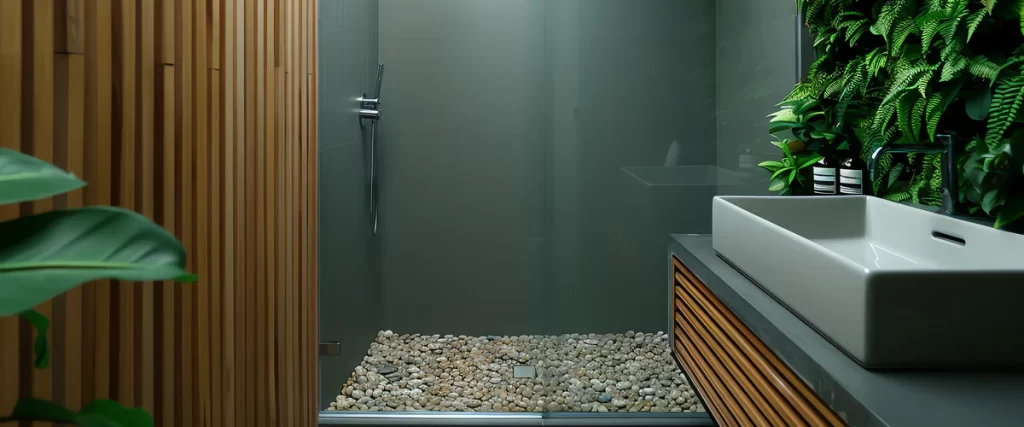
A master bath shower with a spa design direction. A walk-in shower where the floor is a visual feature. Any bathroom where the rest of the design leans into natural materials, stone, wood tones, earthy color palettes.
They work less well when the bathroom design is very minimal or modern, or when the homeowner simply wants a floor that they never have to think about.
For projects that go beyond just the shower floor, like a full bathroom inside a basement remodel, our blog on planning a basement bathroom from scratch covers what that scope actually looks like from start to finish.
FAQ
Can pebble tile be used on bathroom walls? Yes. Some homeowners extend pebble tile up the lower portion of a shower wall as an accent. It works well paired with a cleaner tile above.
What is the best grout for a pebble shower floor? Epoxy grout is the most durable option for wet environments. It resists staining and moisture better than traditional cement grout, making it worth the extra cost on a floor that takes daily water exposure.
How often does a pebble shower floor need to be sealed? Most natural stone and pebble tile surfaces need resealing every one to two years depending on use. Polished tiles require less frequent sealing than more porous natural stone options.
Are flat pebbles better than round ones? For cleaning, yes. For comfort underfoot, most people also prefer flat pebbles. Round river rocks have a more dramatic look but a less forgiving surface to stand on.
If you are still weighing pebble tile against other flooring options for a larger renovation, our breakdown of bathroom flooring materials and what each one actually costs over time might help you land on the right call.
Leave the Hard Part to Someone Else
Choosing the right pebble tile, sourcing quality natural stone, selecting a grout that holds up, waterproofing the substrate correctly, and getting the drain slope right. Each of those is a decision with real consequences if it goes wrong. A lot of homeowners read everything they can, make their choices, and still end up with a floor that causes problems because one step in the process was off.
If you are planning a bathroom renovation, take a look at what we do on ourbathroom remodeling services page. Ready to talk through your space? Call us at (508) 434-0307 or message us here, and we will take it from there.