By the RenoVista Construction team | Design-build remodeling in Worcester County, MA since 1994
Quick answer: A standard bathtub is a rectangular alcove tub that fits against three walls, usually 60 x 30 inches, and works best in small to medium bathrooms.
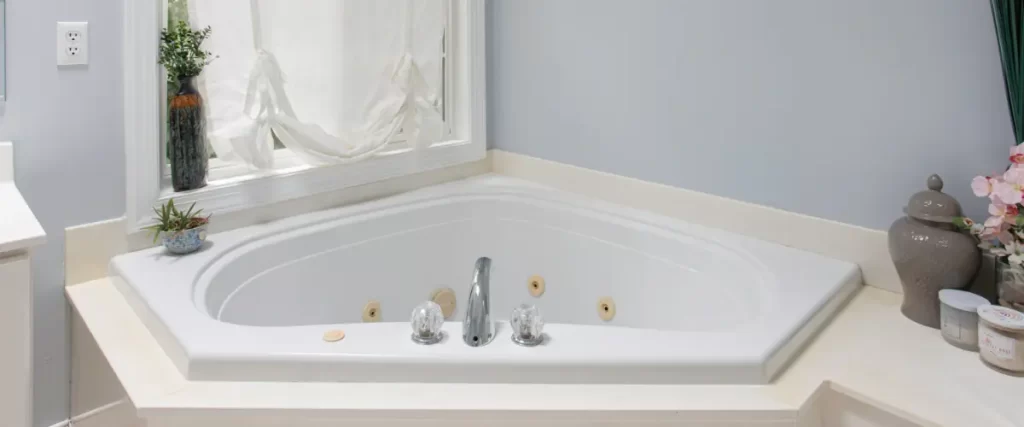
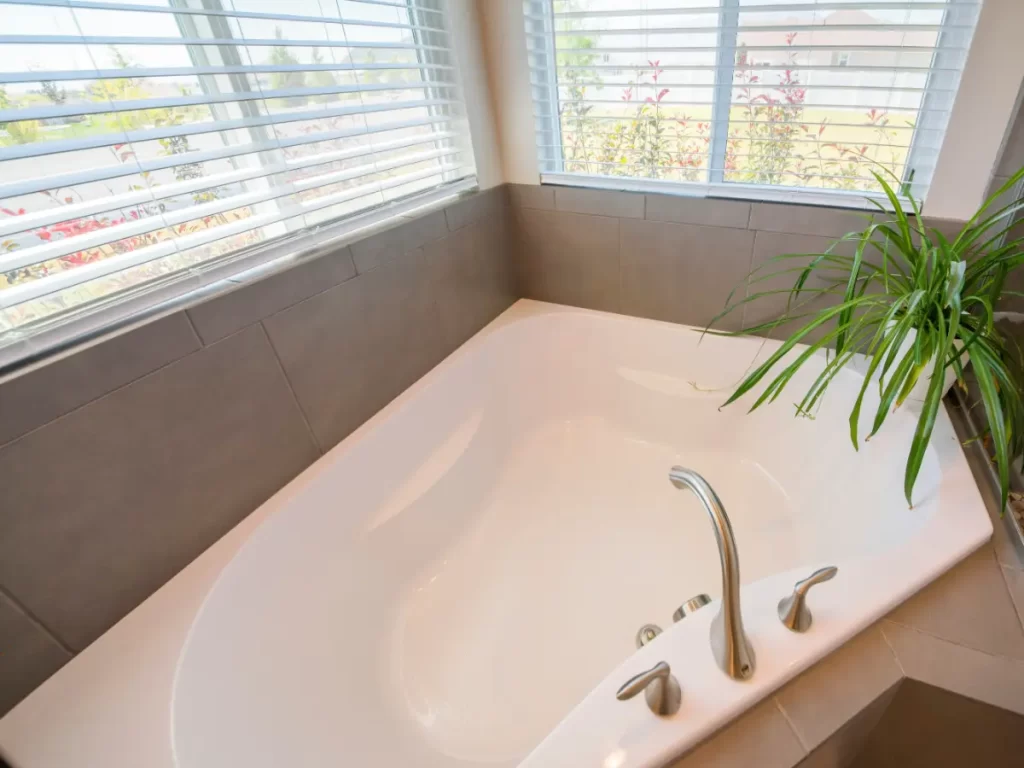
A corner bathtub is a triangular or pentagonal soaking tub that sits in a corner, usually 48 to 60 inches on each side, built for larger primary bathrooms.
For most Massachusetts homes, a standard tub is the smarter pick. Corner tubs earn their spot in primary bathrooms over 80 square feet, where long baths are part of the routine.
Before you commit, here’s what most homeowners miss:
- Corner tubs take up more floor space, not less.
- Your water heater and floor joists may need upgrades for a big corner tub.
- Standard tubs work as a shower combo. Corner tubs usually don’t.
- Resale value depends on bathroom size more than tub style.
Corner Bathtub vs. Standard Bathtub: Side-by-Side Comparison
| Feature | Standard Bathtub | Corner Bathtub |
| Shape | Rectangular alcove | Triangular or pentagonal |
| Typical size | 60 x 30 inches | 48 x 48 to 60 x 60 inches |
| Water capacity | 40 to 60 gallons | 60 to 100+ gallons |
| Installed cost in MA (2026) | $1,500 to $4,500 | $4,000 to $12,000+ |
| Best for | Families, shared baths, daily showers | Long soakers, large primary baths |
| Install time | 1 to 2 days | 3 to 5 days |
| Weight when full | 500 to 600 lbs | 900 to 1,200+ lbs |
| Shower combo friendly | Yes | Rarely practical |
Do Corner Tubs Actually Save Space?
No. A 60-inch corner model eats around 25 square feet of floor, while a standard alcove tub takes about 12. If your bathroom is under 50 square feet, a corner tub will dominate the room and leave almost no breathing space for a vanity or toilet.
Standard tubs slip neatly between three walls, which preserves usable wall length for storage, mirrors, and proper door swings. Corner tubs want open, generous layouts, ideally 80 square feet or more. In our 30+ years remodeling Central Massachusetts bathrooms, nine out of ten corner tub requests shift to a standard design once we lay the measurements on paper.
When Does a Standard Bathtub Make Sense?
A standard bathtub makes sense in any bathroom under 80 square feet, any shared family bathroom, and any space that needs a shower-tub combo. These alcove tubs are the workhorses of American bathrooms. They’re affordable, reliable, and any licensed plumber in Massachusetts can swap one out quickly.
They suit family life, too. Bathing kids, rinsing the dog, or soaking a sore back after yard work feels easier when you can reach in from the long side. Here’s where a standard tub shines:
- Fits the 60-inch rough-in most homes already have plumbed.
- Pairs perfectly with a shower combo, no separate stall required.
- Lighter weight, so floor reinforcement is rarely needed.
- Replacement usually wraps in a day or two.
When Is a Corner Bathtub Worth It?
A corner bathtub is worth the investment when you have a primary bathroom of 80+ square feet, you soak regularly, and you want a strong visual anchor in the room. If you light candles, pour bath salts, and disappear for an hour, a corner model delivers deeper water, sculpted backrests, and optional jets. They also pair beautifully with natural light, which is why designers reach for them in larger primary suites.
The trade-offs are real. Corner tubs are heavy, thirsty, and fussy to clean. A 75-gallon model full of water and one adult can push past 1,000 pounds, which in older Worcester County homes often means reinforcing the joists.
Plumbing, Weight, and Water Considerations
Choosing a bathtub is a plumbing decision as much as a style decision. A corner tub can raise your hot water demand significantly. According to the EPA’s WaterSense program, bathrooms account for more than half of all indoor water use in the average American home, and a large corner tub only pushes that number higher.
A practical checklist before you commit:
- Confirm your water heater is at least 50 gallons, or 75 for jetted tubs.
- Check your floor framing, especially in homes built before 1980.
- Plan for a dedicated GFCI circuit if the tub has jets.
- Budget for tile, waterproofing, and trim, not only the tub itself.
Timelines stretch longer too. Our full breakdown of how long a complete bathroom remodel actually takes walks you through the process week by week so there are no surprises.
Safety and ADA Accessibility Standards
If someone in your home has mobility concerns, or you want the bathroom to age with you, clearance rules matter. The U.S. Access Board’s ADA standards call for a 30-inch minimum clear floor space running the full length of the tub. Standard alcove tubs meet this easily. Corner tubs rarely do without a redesigned layout. For more on how we handle big remodel decisions, our post with answers to the most common questions clients ask us covers the usual concerns.
Frequently Asked Questions
Which bathtub is better for resale value in Massachusetts? In a spacious primary bathroom, a corner tub can add value. In a tight guest bath, a standard alcove tub almost always wins because it preserves usable square footage.
Can you install a shower over a corner tub? You can, but it gets messy. Custom glass or a curved curtain track is required, and water containment tends to be imperfect.
Which bathtub is easier to clean? Standard, by a wide margin. Corner tubs have more surfaces, and jetted versions need their lines flushed regularly.
How much does a corner bathtub cost installed in 2026? In central Massachusetts, budget $4,000 to $12,000 installed, depending on plumbing relocation, tile work, and any joist reinforcement.
Do corner bathtubs need reinforced flooring? Often, yes. A fully loaded 75-gallon corner tub can exceed 1,000 pounds, and homes built before 1980 typically benefit from sistered joists before installation.
Or Skip All This and Let Us Handle It
Reading about tubs is a solid start. Measuring your bathroom, checking floor loads, sizing a new water heater, coordinating tile, and pulling permits is where most homeowners hit a wall.
We’re a design-build remodeler based in Auburn, MA with over 30 years of experience serving Worcester County and Central Massachusetts. We handle the whole project from first measurement to the final bead of caulk. If you’d rather spend your weekend doing almost anything else, call us at (508) 434-0307 or message us here and we’ll help you pick the right tub for your space. For the full rundown on our process, visit our bathroom remodeling services page.